Restore a Damaged Tooth in a Single Visit
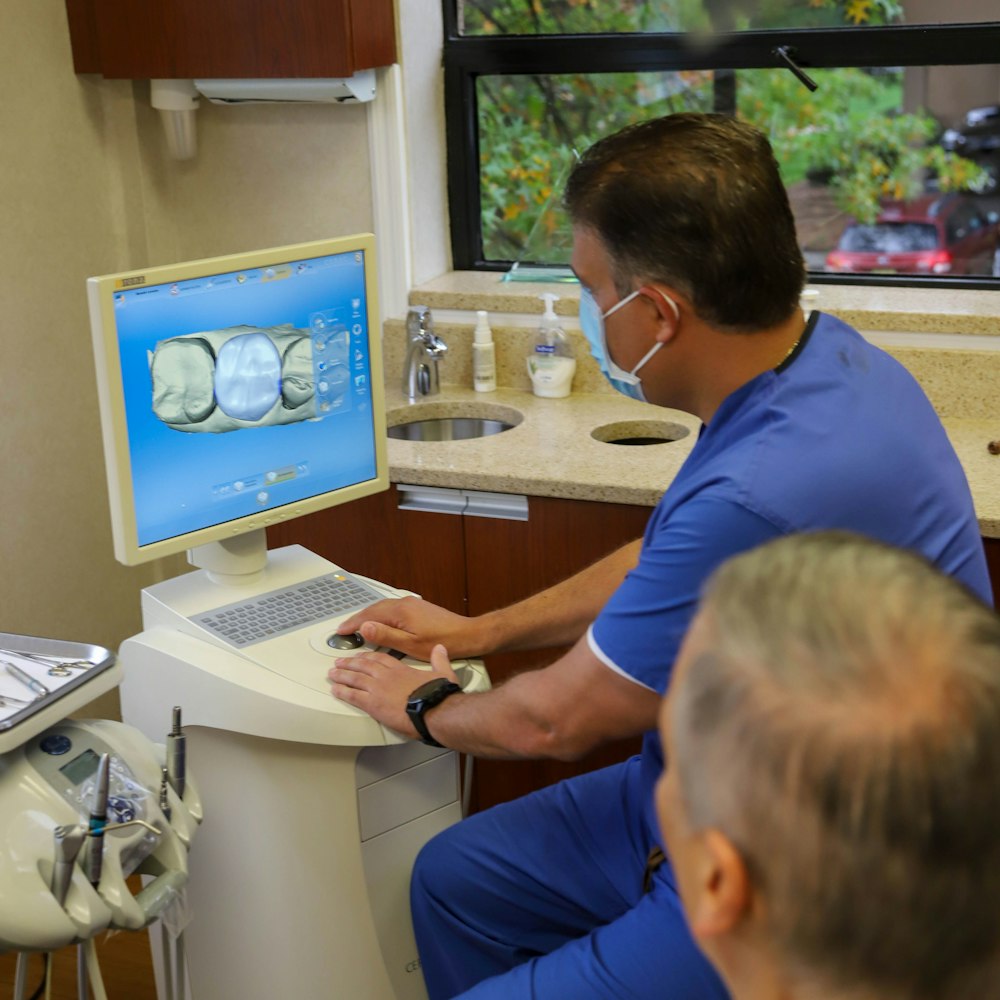
We use the CEREC system to design and mill a custom crown in our River Edge, NJ, office in about 15 minutes. That means no temporary crown, no second appointment, and only one round of anesthesia. The entire procedure is completed in a single visit.
Dr. Stephen Malki uses all-porcelain crowns that can be color-matched to your surrounding teeth for a seamless, natural look. Porcelain is stain-resistant and durable enough to withstand the full force of your bite, so your results look their best for years.
Our dentist in River Edge, NJ, has been in practice since 1999 and has completed over 1,700 hours of continuing education in the past decade, keeping him up to date on the latest developments in restorative dentistry.
“What am amazing experience from the moment my wife and I walked in. Literally ever person we walked by in the office made us feel welcomed and like we were home. Definitely a great experience and would with out doubt give the biggest recommendation. Thank you Dr. Stephen and staff, had such a great experience, can’t say enough great things about you “ — Remon, 5-Star Review
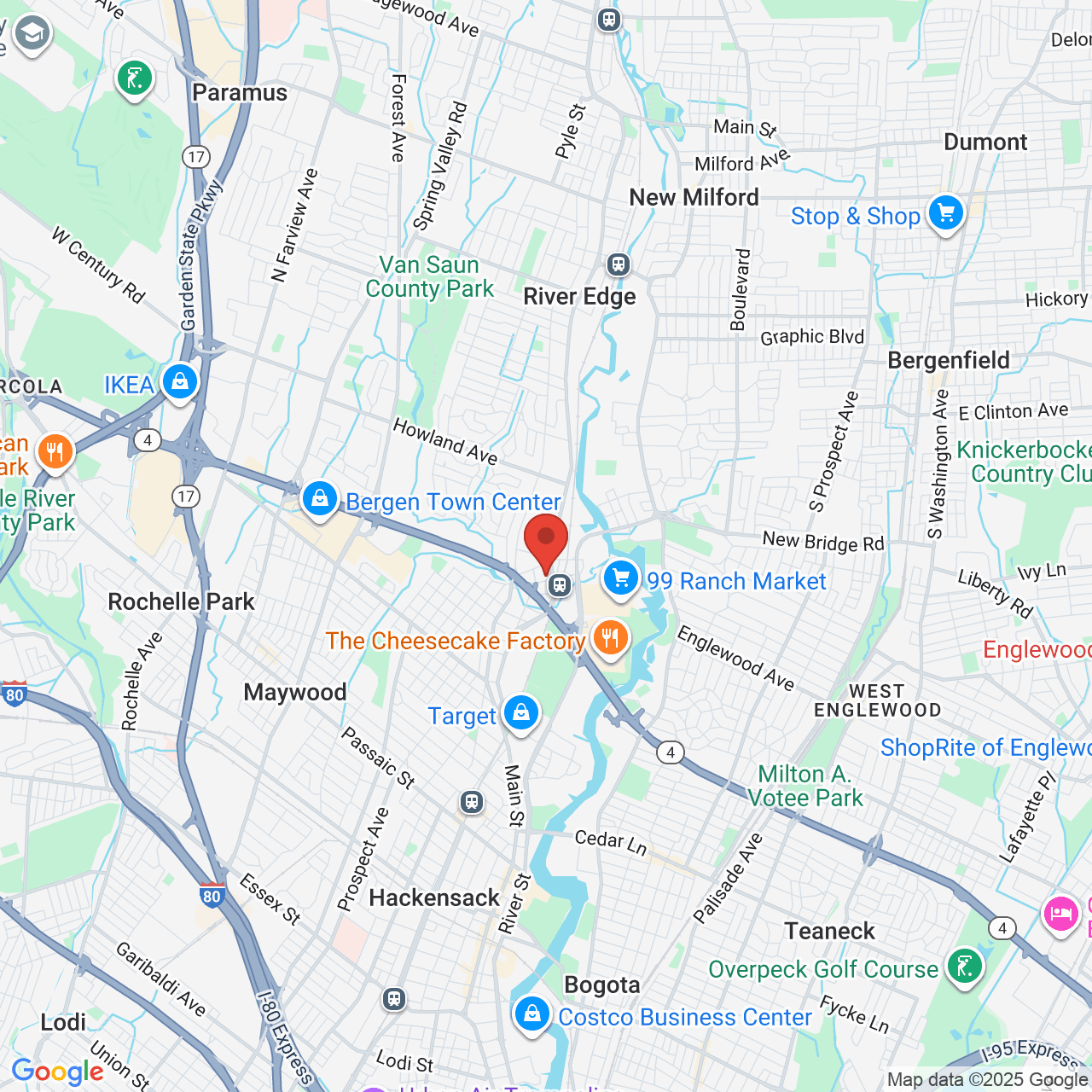
Dental crowns offer a number of benefits for patients with damaged teeth. If you are interested in finding out if crowns are right for you, contact us today. Our dental practice serving Bergen County, NJ, is conveniently located in River Edge.
In this video, Dr. Malki explains how a dental crown works and who makes a good candidate: typically patients with a large failed filling or a tooth weakened by infection. He explains why he uses all-porcelain crowns color-matched to the surrounding teeth, rather than older metal-based options. He also covers how CEREC technology lets him prepare, design, mill, and cement the crown in one visit.
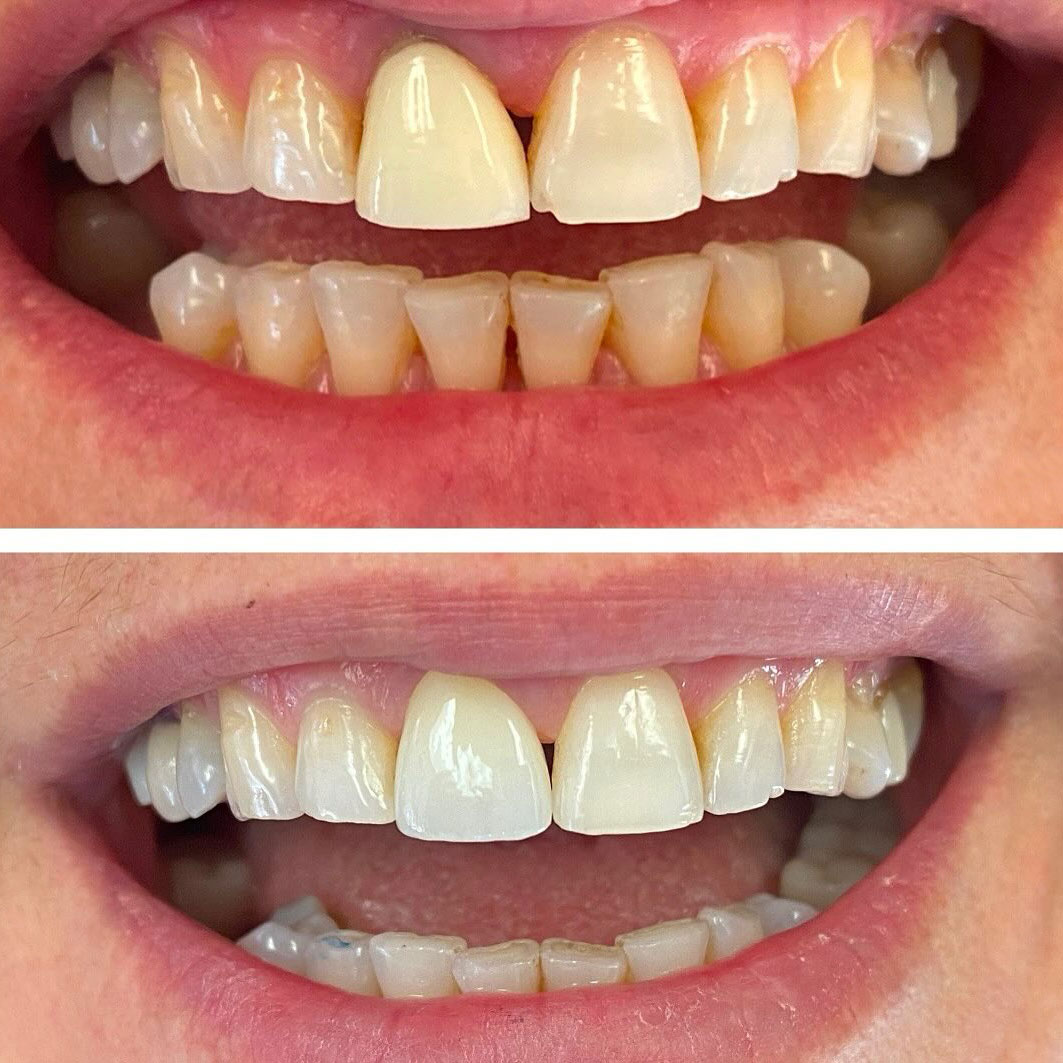
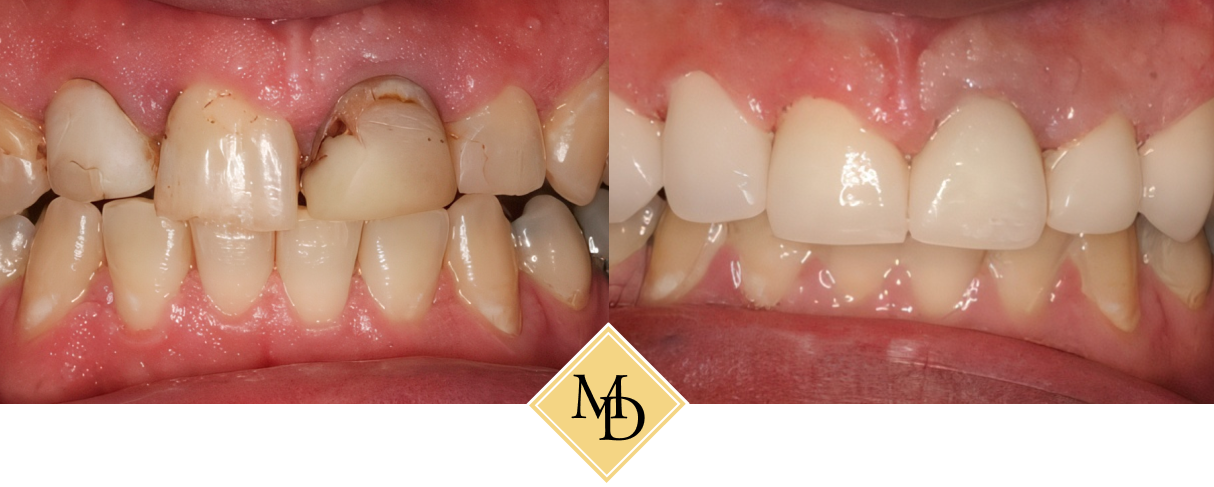
Before & After: This patient had a combination of wear, damage, and decay affecting many of his front teeth.
Our dentist helped him achieve a beautiful outcome with a set of custom porcelain crowns.
Do the dental issues in the first image look familiar to you? If so, Malki Dental can help you with your own brand-new, fully customized dental crowns. All you have to do is request a consultation to get started. Dr. Malki is ready to speak with you about your treatment options so you can have a gorgeous, functional smile once again.
Dental crowns are caps that are placed over individual teeth to mask structural imperfections or reinforce a damaged tooth. Dental crowns differ from veneers, fillings, inlays, and onlays because they encase the entire tooth, rather than just a portion of it. At our dentistry practice, we use crowns to address:
Patients at our practice with particularly large fillings may have crowns placed over their teeth to support the filling and tooth. This can restore chewing ability and overall dental function.
Patients whose teeth have been cracked, chipped, or severely worn down can opt for dental crowns to restore strength and shape to the tooth.
The nerves, blood vessels, and other soft tissues in the central canals of the tooth can become infected due to cavities or injury. Crowns are commonly placed after root canal therapy to lend strength and support to the tooth.
Crowns can also be used to hold a traditional dental bridge in place. A bridge can replace one to three teeth in a row, and they are secured in place with two crowns that are placed on the teeth adjacent to the gap.
"I’ve been a patient of Dr. Malki for over ten years now, and have recommended many people to his practice over the years and they have all also had a wonderful experience with him and his staff. I’ve gotten everything done from Invisalign, crowns, fillings, and cleanings and he is one of the only dentists that I have been to who hasn’t recommended unnecessary work… I had been petrified of the dentist from when I was a kid, and Dr. Malki is the only dentist I can say I am not scared of, and even enjoy going to. His staff is all super friendly, and the technicians on his team are very gentle with their cleanings." — Allison, 5-Star Review
“Friendly, professional staff, and a clean office. Minimal wait time and excellent care. the doctor was thorough, gentle, and took the time to explain everything clearly.” — Grace, 5-Star Review
Our dentist uses advanced CEREC technology so he can fit, craft, and place crowns in one office visit, as opposed to two separate appointments.
First, Dr. Malki examines the affected tooth to make sure it is well-suited for a dental crown. This may involve digital X-rays to evaluate the health of the tooth root and surrounding bone.
Dr. Malki then preps the tooth that is receiving the crown by removing any signs of decay or infection. In addition, a small amount of enamel is removed to make room for the crown.
We take digital photos of the area to obtain a comprehensive view of the surrounding teeth and jaw alignment. This information helps Dr. Malki create a permanent crown that fits seamlessly into the patient’s mouth.
Dr. Malki uses these photos, along with CEREC software, to design a custom dental crown made out of porcelain.
It typically takes about 15 minutes for the CEREC machine to mill the crown out of a solid block of porcelain. This helps us avoid the need for a temporary crown while patients wait for a lab-made restoration. However, if you are receiving a gold or metal crown, we can supply a fully functional temporary crown while the lab creates your permanent crown.
Once the crown has been crafted, Dr. Malki bonds the crown to the patient’s tooth using durable dental cement.
Dr. Stephen Malki is a dentist who believes a smile is one of the most important means of expression. His prestigious distinctions in his field include:
To book your consultation, please send us a message online or call us today at (201) 646-0800.